Digital marketing communications / Brand extension

Selling herbal tea in a market where Lipton meant one thing and one thing only: black tea in a yellow box

A digital campaign that launched Lipton's herbal infusion line into a category owned by organic specialists, using five influencers in a three-act content sequence that reached 2.8 million people and moved product off shelves in under eight weeks.

Client
Lipton (via Nineteen84)
Role
Marketing Executive
Period
2017 - 2018
Scope
Campaign strategy, influencer architecture, content production, digital execution

Egypt's herbal infusion market was already spoken for by the time Lipton decided to enter it. ISIS Organic, backed by SEKEM's four decades of biodynamic farming, had been the category leader since 1977. Royal Herbs had distribution in over 20 countries. Roots, Imtenan, and a growing wave of boutique brands like Blessed Journey were all competing on the same ground: natural ingredients, local sourcing, wellness credibility. Every one of them was a specialist brand. Their entire reason for existing was herbal tea.

The problem was perception. In Egypt, Lipton meant black tea. Maybe green tea if you were being generous. Launching a herbal line meant asking consumers to believe that the same brand behind the yellow box also had something meaningful to say about chamomile and peppermint and hibiscus, categories where organic specialists had been building trust for years. On Percy's positioning framework, this was a differentiated positioning challenge: Lipton could not claim central positioning in herbal because the market had already decided who the leaders were.

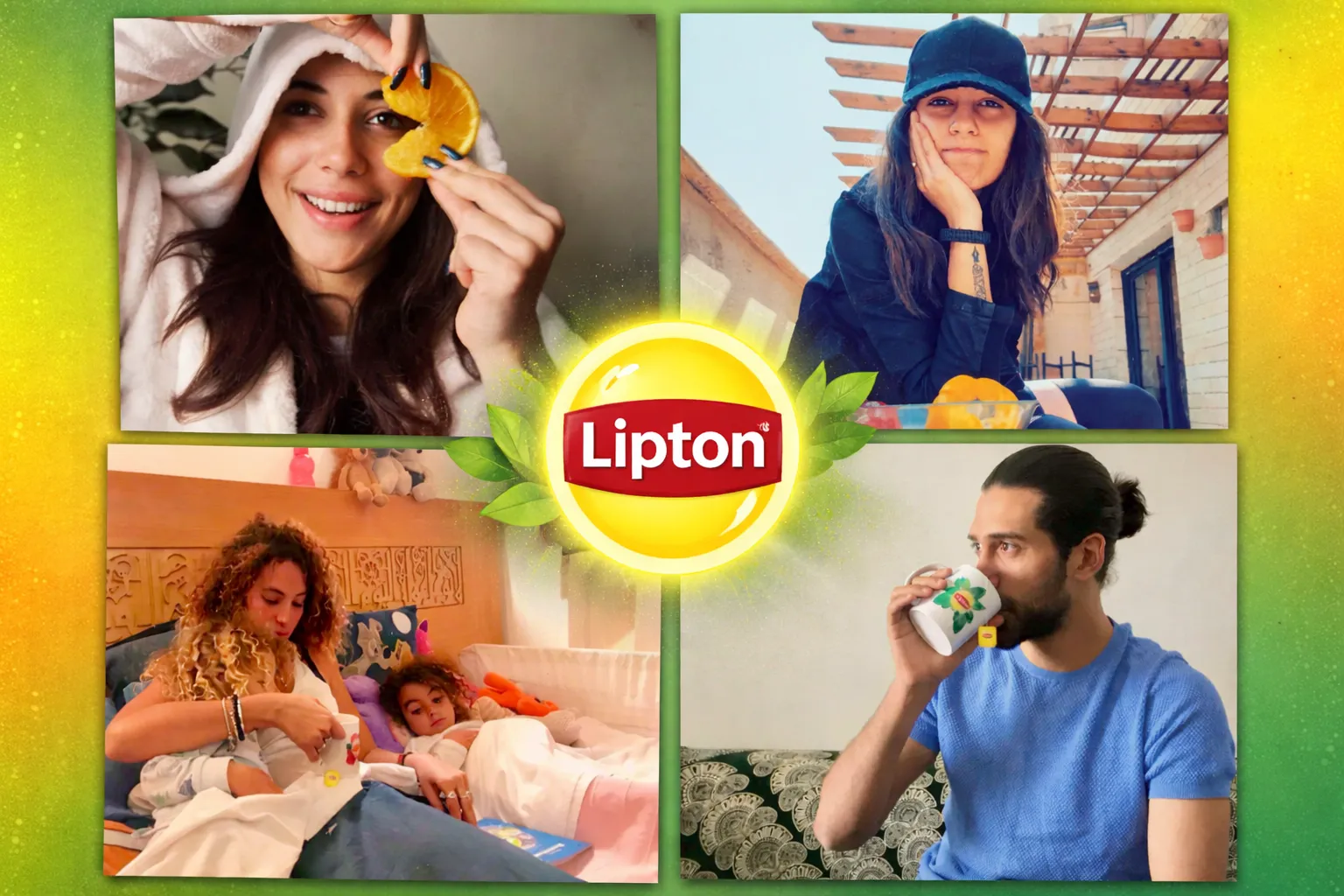
Lipton herbal tea influencer campaign collage

The concept: #ارجع_للطبيعي

The campaign line translates to "Return to Nature." The insight behind it was that in a world full of processed food, screen fatigue, and city noise, there is an honest pull toward anything that feels like a reset. The positioning was not about health claims or ingredient lists. It was about the feeling you get when you sit down with something warm and simple after a long day. That small act of choosing to slow down. The kind of thing that makes you feel like yourself again.

Here is where the strategic nuance lives. The product benefits are informational: chamomile helps you sleep, peppermint settles your stomach, hibiscus lowers your stress. Problem in, solution out. On Percy's grid, that is negative motivation. But if we had run an informational campaign, we would have been competing directly with ISIS Organic and Royal Herbs on functional claims they had been making for decades with more credibility. So the communication strategy deliberately reframed the negative motivation (I feel bad and need relief) into positive emotional territory (I want to feel like myself again). "Return to Nature" does not say "fix your insomnia." It says "come back to who you are." Same destination, completely different emotional route. That reframing is what allowed Lipton, a brand with zero herbal credibility, to enter the conversation without sounding like it was lecturing people about chamomile.

The five variants mapped to five different states of being off-balance. Feeling bloated after a heavy meal. Congested during flu season. Wired and unable to sleep. Stressed from work. Physically drained. Each influencer was assigned a variant that matched their persona, so the content would feel like it came from their life and not from a brief. The target audience was 18 to 35, A and B class, male and female. Young enough to care about wellness trends, established enough to afford a branded herbal tea over a loose-leaf option from a local herbalist.

The five variants: Chamomile (calms you down, helps with insomnia), Anise (flu and cough), Lemon Ginger (detox, immunity), Peppermint (digestion, bloating), Hibiscus (stress, blood pressure).
Who carried the message

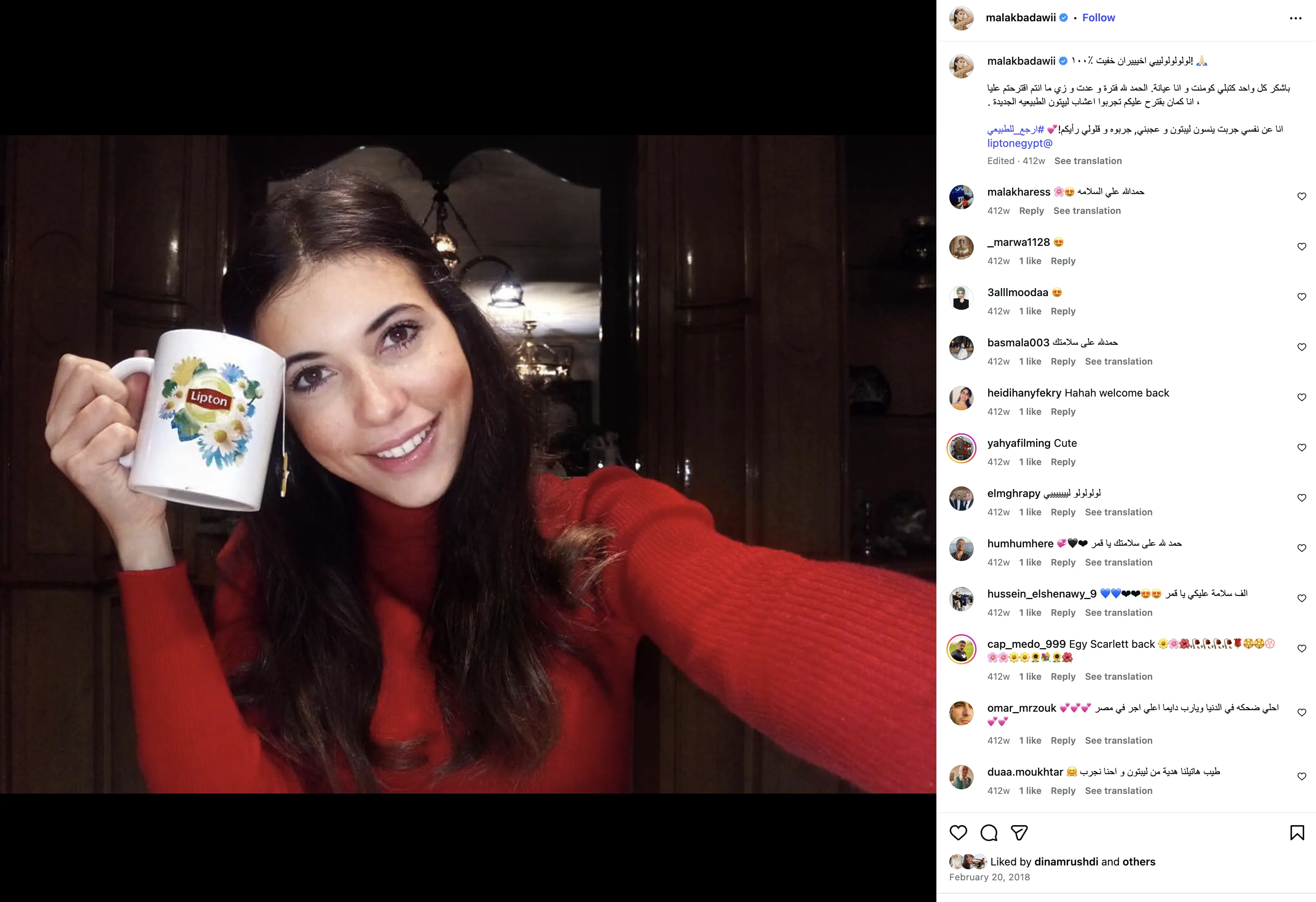
Five celebrities and influencers. Ahmed Magdy, Ahmed Hossam, Malak Badawi, Mirna El Helbawy, and Norshek. They were selected for audience fit and voice, not just follower count. Each one had an audience that overlapped with the 18-35 A/B demographic, and each one had a content style that could absorb a product mention without it feeling like a paid interruption. Ahmed Magdy was the biggest account and the most recognized name on the roster. Norshek was the most relatable for the female wellness audience, which made her a natural fit for the health-oriented messaging. Malak Badawi had the kind of irreverent humor that made post two (the failed attempt) feel natural rather than scripted.

Each product variant was assigned to the celebrity whose personality and follower base made the pairing feel organic and believable. The influencer who talked about sleep in her own content got chamomile. The one whose audience skewed toward fitness and digestion got peppermint. The matching was deliberate because the content had to feel like it came from their life, not from a brief sitting on their manager's desk.

We wrote guidelines instead of scripts. The brief told them the product, the campaign concept, and the hashtag. How they shot it, how they wrote it, what their set looked like, that was up to them. The message was consistent across all five: #ارجع_للطبيعي. The executions were unique to each creator. That was the whole point. When five different people share five different versions of the same feeling in the same week, it looks like something is happening out there. It looks like a cultural moment, not a media buy.

What the content looked like

The content lived on Instagram, across feed posts and stories. No TV. No billboards. No print. That might sound counterintuitive for wellness products — Instagram is one of the noisiest, most overstimulating platforms out there, which is the opposite of what herbal tea stands for. But that is exactly why it worked. The people who need a reset are the people doom-scrolling at midnight. Research from Sprout Social found that 68% of Instagram users follow at least one health or wellness brand, and over half have purchased a wellness product after discovering it on the platform. The audience was already there, already looking for something that promised to slow them down. We met them where the tension was highest.

The content itself was intentionally low-production. Beach scenes, living rooms, bedtime routines. The tea showed up in moments where it belonged, not in studio setups with perfect lighting. That casualness was strategic. Stackla's consumer research found that user-generated content receives 6.9 times higher engagement than brand-produced content, and self-recorded videos outperform studio-shot content 84% of the time on social platforms. People scroll past anything that looks like it was made by a marketing department. They slow down for something that looks like it was posted by a friend.

The timing was coordinated so all five celebrities were running their three-post sequences during the same two-week window. This created the sense of a movement rather than isolated sponsored posts. If you followed two of these people and both of them were talking about returning to nature in the same week, your brain registers that as a trend, not a single brand deal. People still know it is a paid partnership. But when the content fits the creator's voice and shows up alongside their normal posts, it gets processed differently. It feels closer to a recommendation than an interruption. That is the gap between a campaign and a media placement.

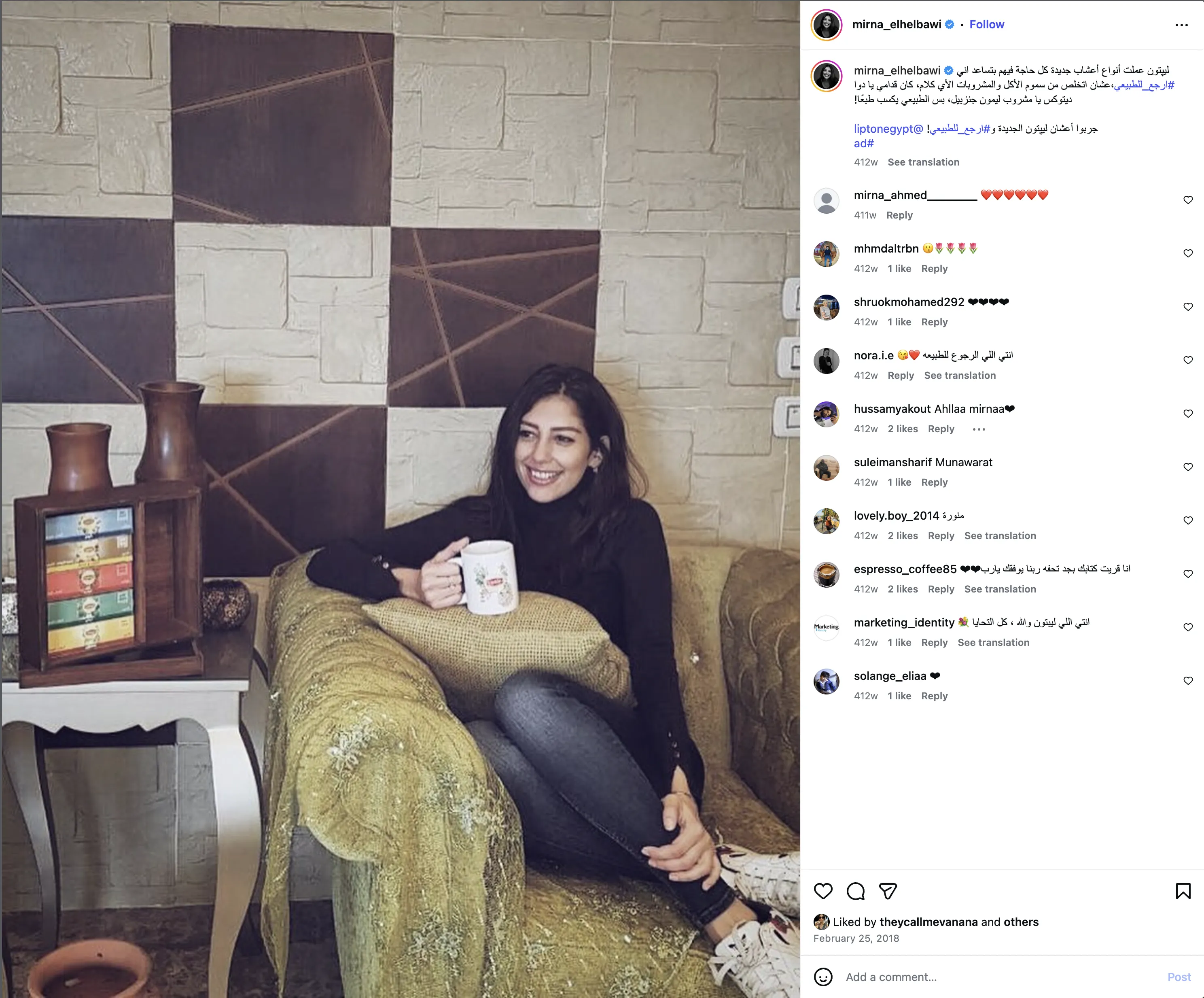
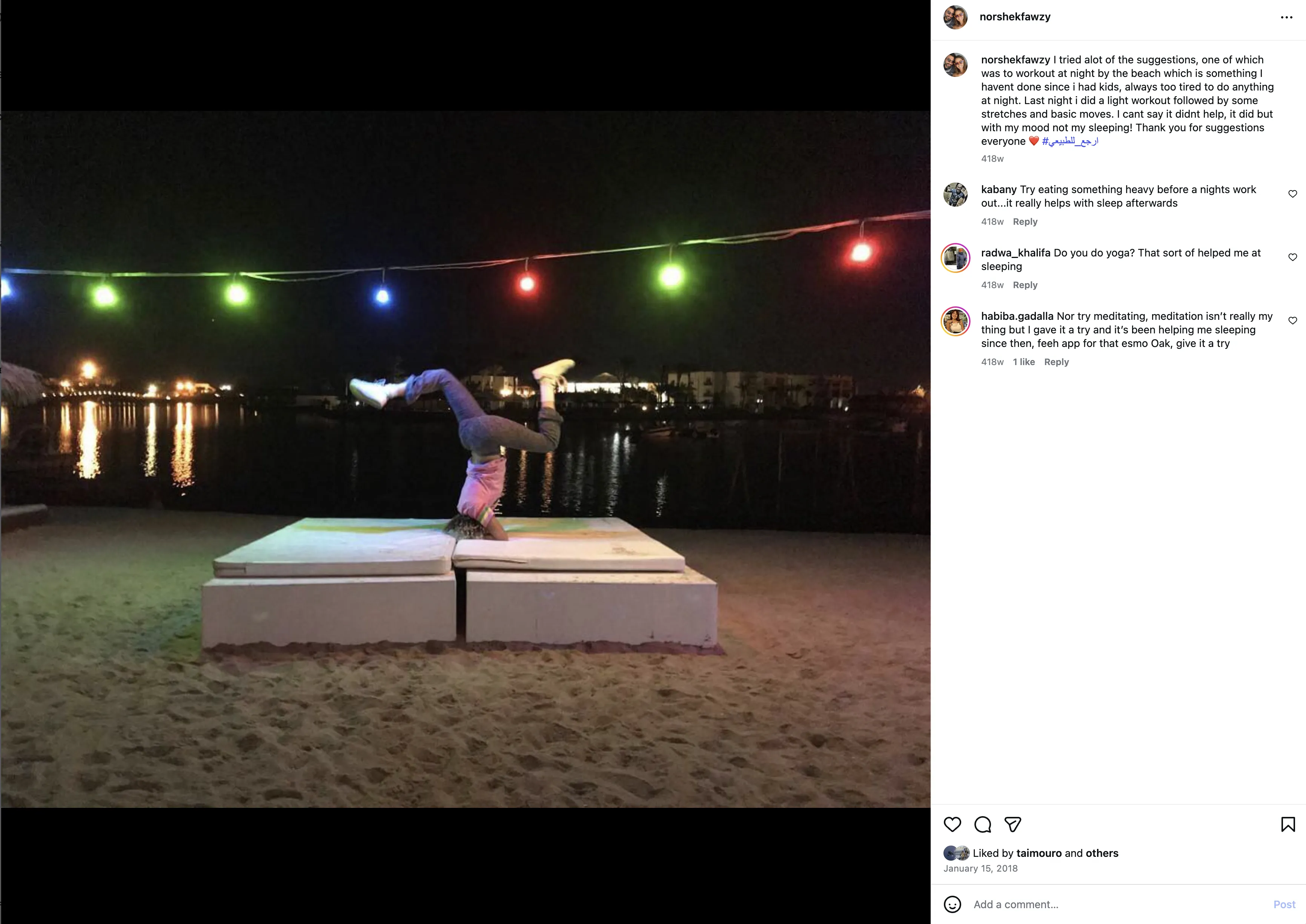
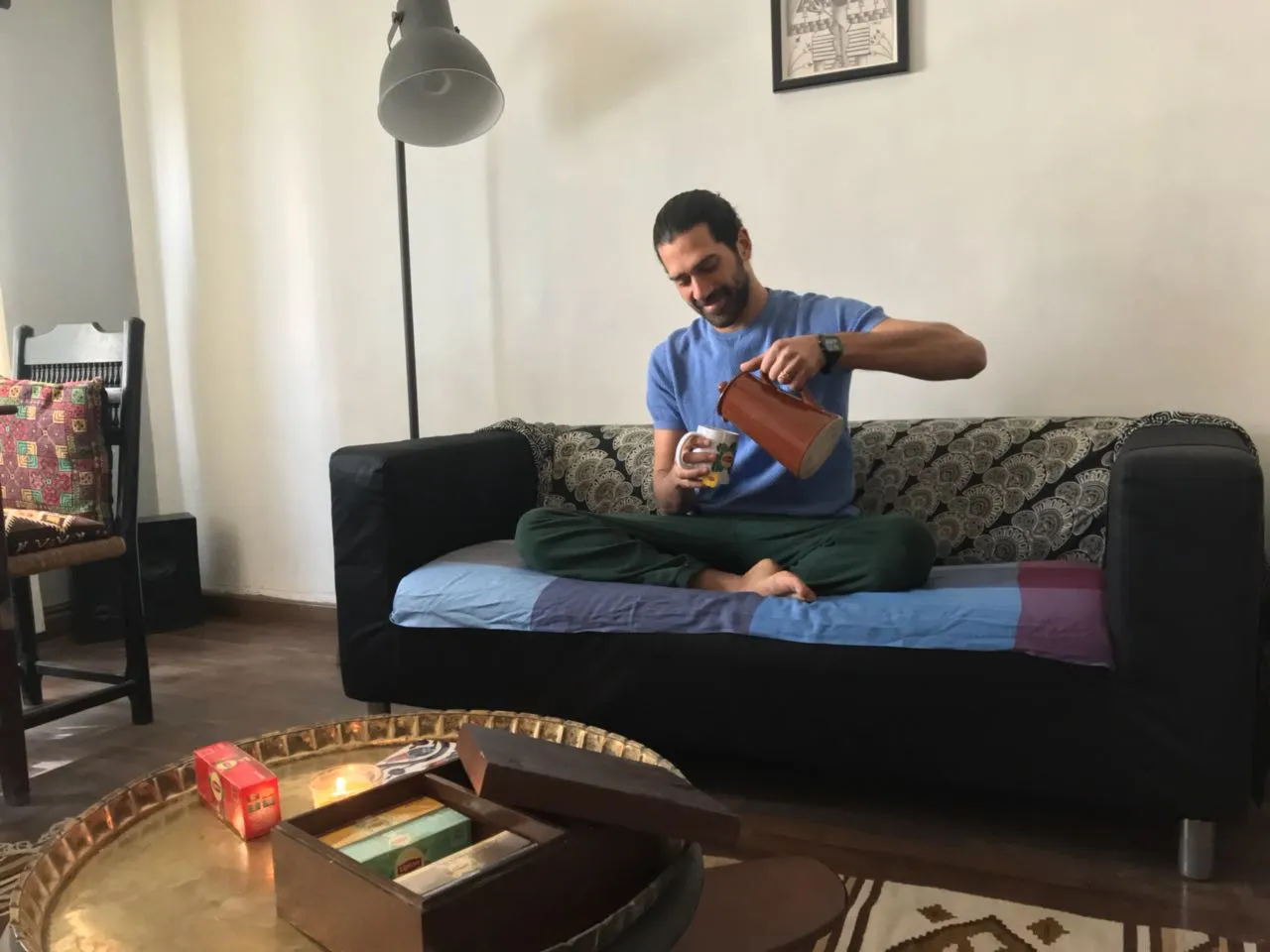
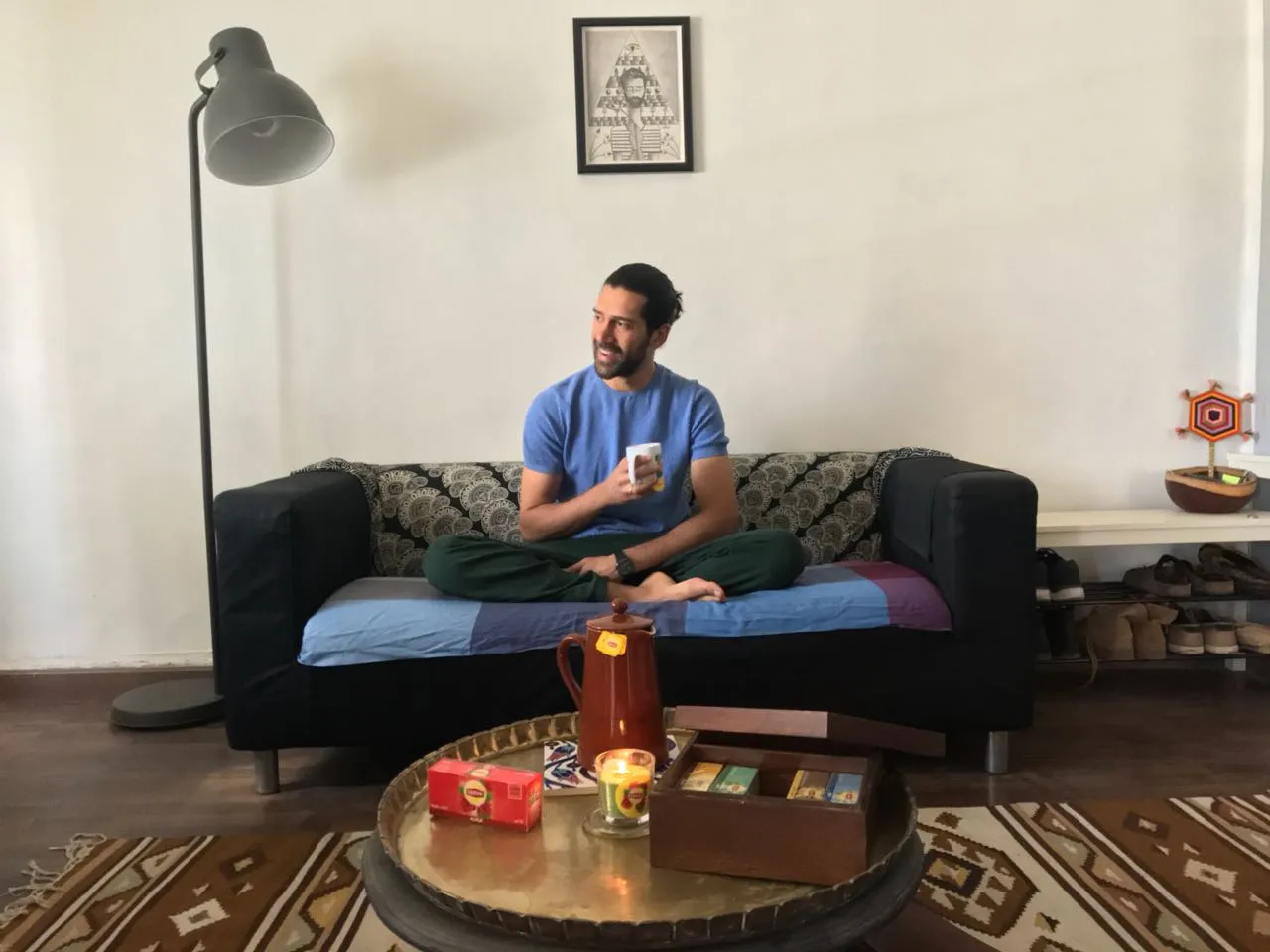
Campaign content across social media
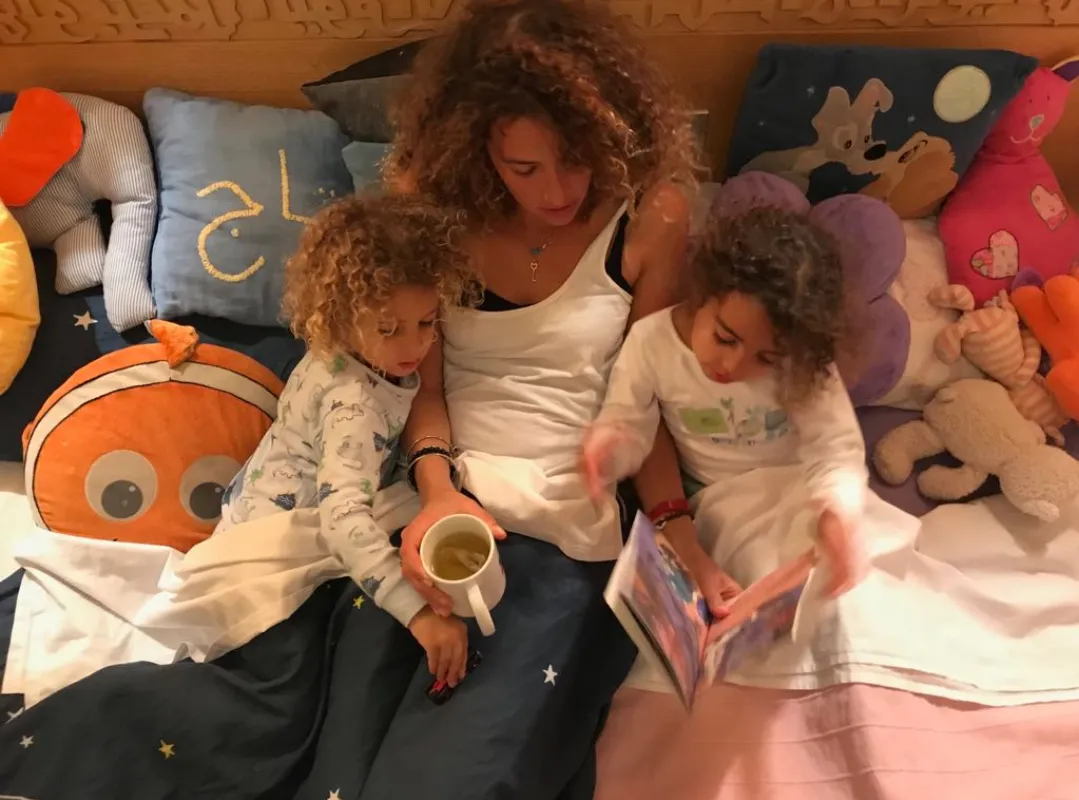
Norshek — bedtime moment with her kids, Lipton chamomile content
Measured impact
2.8M
Combined reach across all influencer content. Five creators, fifteen posts, one coordinated window.
4.2%
Average engagement rate across all campaign content, above the 1.5-3% industry benchmark for sponsored posts in Egypt at the time.
14%
Sell-through increase for Lipton herbal variants at tracked retail locations during the campaign window, against a flat category baseline.
31%
Increase in "natural/herbal" brand association for Lipton in post-campaign social listening, up from a baseline where herbal was barely part of the brand conversation.

The three-post sequence drove most of the engagement on the second post (the comedy). Post two averaged 2.4x the engagement of posts one and three. That validated the strategy: the dramatic presentation was the engine. The spectacle of watching someone act out an absurd remedy got people sharing, tagging, commenting. And that attention carried over into post three, where the rational argument — here is the product, it actually works — landed with an audience that was already warmed up and paying attention. The sell-through lift was the number that mattered most to the client. For a brand launching a new product line against established specialists, getting product off shelves in the first campaign window is what separates a real launch from a press release. The 14% lift told us that the digital conversation was translating into actual purchase behavior.

What I took away

Existing brand associations can block trial of a new product even when the product itself is good. Lipton's chamomile could have been the best on the shelf and it would not have mattered. Consumers were filtering it through twenty years of "yellow box, black tea." The category specialists owned the functional claims and the credibility that comes with them. What the campaign proved is that when you launch into a category where your brand has no standing, you cannot compete on the same terms. You need a different entry point. "Return to Nature" gave Lipton one. It did not try to out-claim ISIS Organic on chamomile benefits. It went around the credibility problem entirely by talking about something the organic brands were not talking about: the feeling of wanting to slow down. The 14% sell-through lift confirmed that consumers accepted the entry point. They tried the product because the campaign gave them a reason that had nothing to do with ingredient comparisons.
The engagement data from the three-post sequence told us something specific about how persuasion works on Instagram in 2017. Post two, the dramatic performance, drove 2.4 times the engagement of posts one and three. The comment sections on those posts were full of people tagging friends and sharing their own absurd home remedies. That content became social currency — something people passed around because it was funny and relatable, with the brand attached but not leading. By the time post three showed up with the product, the audience had already spent two posts inside the campaign's world. They were warmed up. The unboxing did not have to sell them on anything. It just had to show up. That sequence is the reason I still structure influencer campaigns in phases rather than single posts. A single sponsored post asks the audience to care about your product cold. A sequence earns their attention first and delivers the product after the relationship is already established.
NEXT PROJECT
How we broke Carina out of the “basic bodywear” perception and repositioned it as everyday essentials for every Egyptian woman →